Now a month into our lovely extended break courtesy of COVID-19, many people have hit a wall in terms of their TV binge sessions. Everyone is caught up on those shows they’ve been dying to see for months. Reruns of The Office and Friends are creeping their way back into people’s “Continue Watching” tabs.
But fear not, weary binge-watchers! After a few weeks of intense research, here are the top five shows to binge during your quarantine. Regardless of the kinds of shows you like, these top hits are sure to keep you glued to your couch.

#1: Westworld (HBO)
It’s really hard to find good science fiction shows. Oftentimes the genre fits the stereotype of being nerdy, or worse uses a really interesting premise to cover up cheap gimmicks and plot holes.
Westworld manages to avoid falling prey to the same traps its predecessors may have by focusing on its characters and their development. The story is in many ways a coming of age tale about people finding themselves on a hero’s journey. Only this time, there is also advanced AI that is slowly becoming self-aware.
That perfect balance of action and storyline makes the show great to binge with a friend and discuss the depth and subtleties of the ethical implications of creating consciousness. That, or maybe just enjoying the western style shooter scenes and cool graphics.

#2: The Witcher (Netflix)
The Witcher is a one-of-a-kind franchise. After starting as a book series, it became a popular video game before Netflix bought the rights to produce the show. The series is wildly successful. It became Netflix’s most popular show of 2019 (second only to Stranger Things) despite being released only a month before the end of the year.
The show manages to combine the monster-hunting action of the video games with the fantastic world-building of the novels to create a surprisingly unique fantasy hit. The multiple timelines allow for exploration into so many more characters while increasing the mystery of the show. All in all, The Witcher adds up to be a delightful weekend binge for when you just need to be whisked off into a world of monster-slaying and dramatic deaths.

#3: The Marvellous Mrs. Maisel (Prime)
Telling the story of a struggling comedian has become pretty mainstream in the past few years. It’s sort of becoming a way for comedians to fictionalize their experiences.
The Marvellous Mrs. Maisel takes a completely different route. It centers on Miriam “Midge” Maisel, a divorced Jewish housewife in the 1960s who upends social norms as she pursues a career in comedy. The show not only leaves viewers buckled over laughing, but it also makes a serious commentary about women in the comedic industry. Midge and her manager Suzie are wildly entertaining as they climb the ladder of success and deal with constant setbacks. A good binge of The Marvellous Mrs. Maisel is the perfect way to lighten the mood in this stressful time.
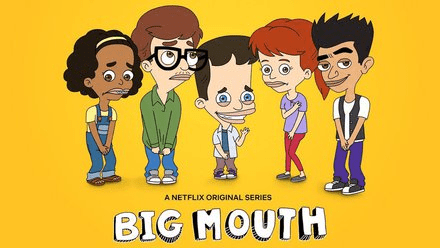
#4: Big Mouth (Netflix)
The concept of puberty has been taboo in the television community because of it’s close ties to sex. Netflix started a revolution though when it released a show entirely about growing up and becoming an adult.
Series creators Nick Kroll and Andrew Goldberg created the animated series loosely based on their own lives to depict what it’s like for teenagers to go through puberty. The result is a raunchy comedy that is as educational as it is funny. Characters deal with issues as light as body odor and as heavy as divorce and pregnancy scare.
The most entertaining part of the show, however, is the fictional “Hormone Monsters” assigned to each child. The interactions the characters have with their hormone monsters are hysterical (and maybe a touch inappropriate for the family), but make the process of puberty somehow entertaining. Big Mouth makes for a fantastic binge, with awesome voice actors and great writing.
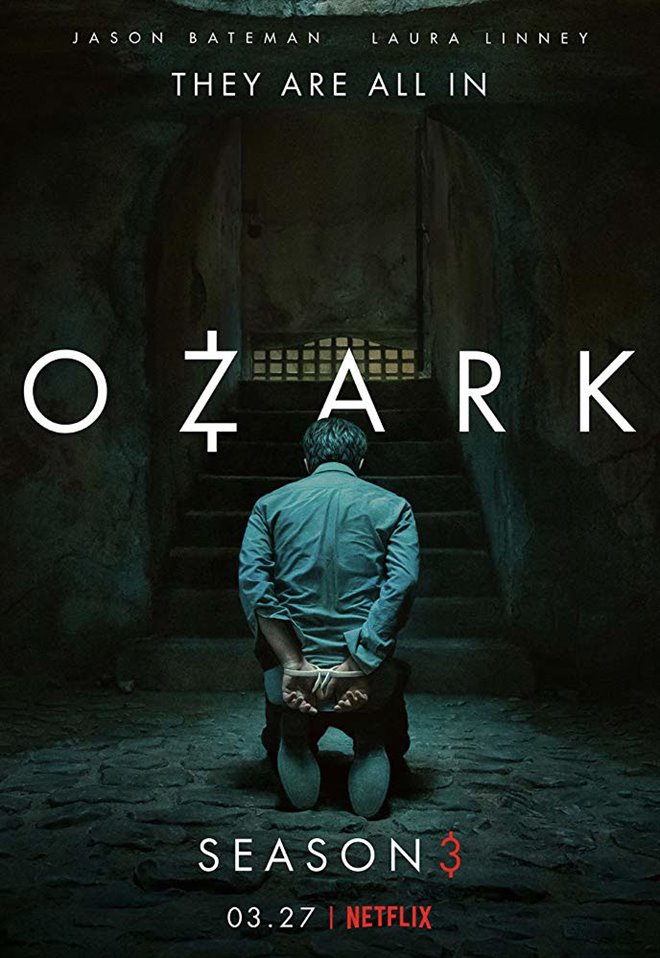
#5: Ozark (Netflix)
It was devastating when Breaking Bad finally ended. The crime drama from the perspective of an average guy-turned-criminal was a hit and took crime shows in a completely new direction.
It’s no surprise then that Netflix took that model for its own show with Ozark. The show about a financial planner who is forced to launder money in the Ozark mountains is a high energy hit. Jason Bateman plays the role of Marty fantastically even after years of much lighter shows under the actor’s belt (Arrested Development, Horrible Bosses, etc).
With season 3 just released a few weeks ago, now is the perfect time to get caught up. The writing will leave you clicking “Still Watching” for hours as Bateman learns how to become a major criminal.
 Midbrow